 11
11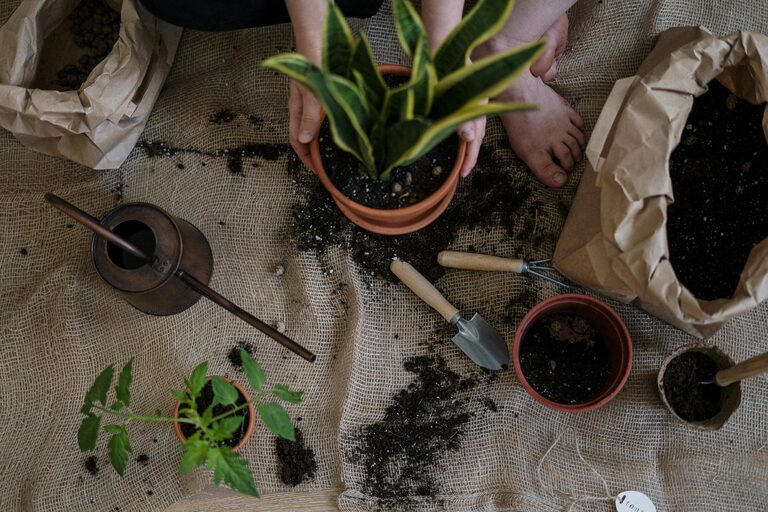
Starting a home gardening project is an exciting way to connect with nature, enjoy fresh produce, and add beauty to your living space. Whether you have a large backyard or just a small balcony, anyone can start a successful garden with some basic knowledge and care. This guide offers practical tips for beginners to get started on their gardening journey with confidence.
Gardening offers many benefits, including stress relief, physical activity, and the satisfaction of growing your own plants or food. It also supports a healthier lifestyle and can bring your family together outdoors. With the right approach, even novices can cultivate flourishing gardens.
Most plants need sunlight to thrive. Observe your available space during the day to see how much direct sun it receives. Generally, 6-8 hours of sunlight is ideal for vegetables and flowers. If sunlight is limited, consider shade-tolerant plants.
Choose a spot that’s easy to reach for watering, weeding, and harvesting. This will help keep your gardening habit enjoyable and manageable. Even small spaces like windowsills or balconies can become productive garden areas with container gardening.
For beginners, it’s helpful to start with low-maintenance plants. Some great starter options include:
– Herbs like basil, mint, or parsley
– Salad greens such as lettuce and spinach
– Flowering plants like marigolds or pansies
– Vegetables like tomatoes and radishes
These plants tend to be forgiving and can grow well in containers or garden beds.
Choose plants suited to your local climate and the current season. Visiting a local garden center or consulting an online planting calendar for your area can provide guidance on what to plant when.
Good soil is key to a healthy garden. Follow these steps:
– Test your soil if possible, to check pH levels and nutrient content.
– Add organic matter like compost or well-rotted manure to enrich the soil.
– Ensure good drainage by loosening compacted soil and mixing in materials such as sand or peat moss if needed.
Healthy soil supports strong roots and better plant growth.
You don’t need an extensive collection of tools, but some basics will make gardening easier:
– Gardening gloves to protect your hands
– A small trowel for digging and planting
– Watering can or hose with a gentle spray nozzle
– Pruning shears for trimming plants
– A garden fork or cultivator for turning soil
Investing in quality tools can save you time and effort.
Plant seeds or seedlings according to the instructions on the packet or tag. Pay attention to depth, spacing, and timing to give your plants the best start.
Newly planted seeds and seedlings need consistent moisture but avoid waterlogging. Water the soil gently early in the morning or late afternoon to reduce evaporation and stress on plants.
– Remove weeds as soon as you spot them to reduce competition for nutrients and space.
– Check plants for signs of pests or diseases and address issues early.
– Use mulch around plants to retain moisture and suppress weeds.
Applying an appropriate fertilizer according to the plant’s needs can promote healthy growth. Organic options like compost tea or fish emulsion are gentle and effective.
Harvest fresh produce when it’s ripe to enjoy the best flavor and nutritional value. Regular harvesting can also encourage more growth.
If you’re growing flowers, deadhead spent blooms to promote continuous flowering.
– Start small and expand gradually as you gain confidence.
– Keep a gardening journal to track your progress and jot down notes.
– Connect with local gardening groups or online communities for advice and inspiration.
– Celebrate small victories to keep enthusiasm high.
Beginning a home gardening project is a rewarding experience that improves with practice. With patience, attention, and care, even beginners can cultivate thriving gardens that bring joy and fresh flavors all season long. Happy gardening!