 11
11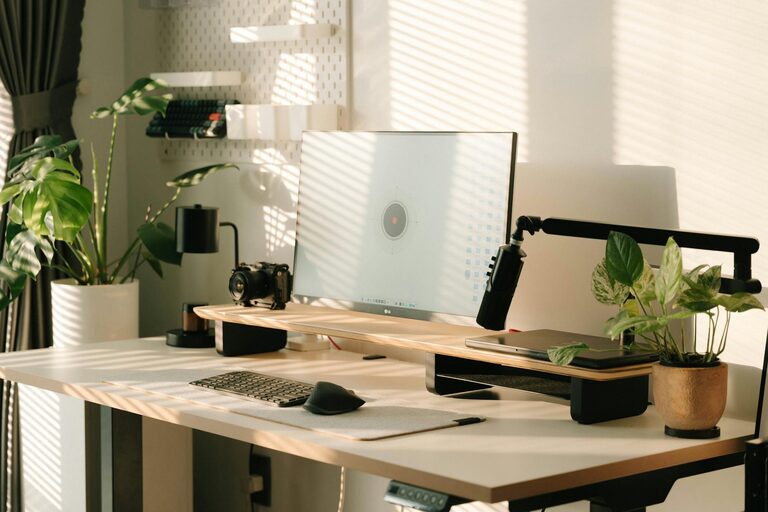
Creating a relaxing home workspace is essential for maintaining focus and comfort during work hours. Whether you work remotely full-time or occasionally take work home, your environment plays a significant role in your productivity and well-being. In this post, we’ll explore practical tips to help you craft a workspace that feels inviting and supports your best work.
A cluttered or uncomfortable workspace can lead to distractions, fatigue, and stress. Conversely, a thoughtfully arranged area can help you stay organized, reduce tension, and enhance creativity. By prioritizing relaxation in your workspace, you set the stage for sustained focus and effective work.
Position your desk near a window if possible. Natural light boosts mood and energy levels. Avoid glare on your computer screen by placing your monitor perpendicular to windows.
Select a quiet nook away from high-traffic areas. Use room dividers or screens to separate your workspace if you share your home with family or roommates.
A supportive chair helps maintain proper posture and reduces back strain. Look for adjustable features like seat height, lumbar support, and armrests.
Choose a desk that provides enough surface area for your computer, documents, and other essentials. Keep the height comfortable to prevent shoulder and wrist discomfort.
A tidy workspace keeps your mind clear. Sort through papers and supplies weekly to avoid buildup.
Incorporate shelves, drawers, and organizers to store items efficiently. Label containers to locate things quickly.
Soft tones like light blues, greens, or neutrals create a relaxing atmosphere. Avoid overly bright or harsh colors that can cause eye strain.
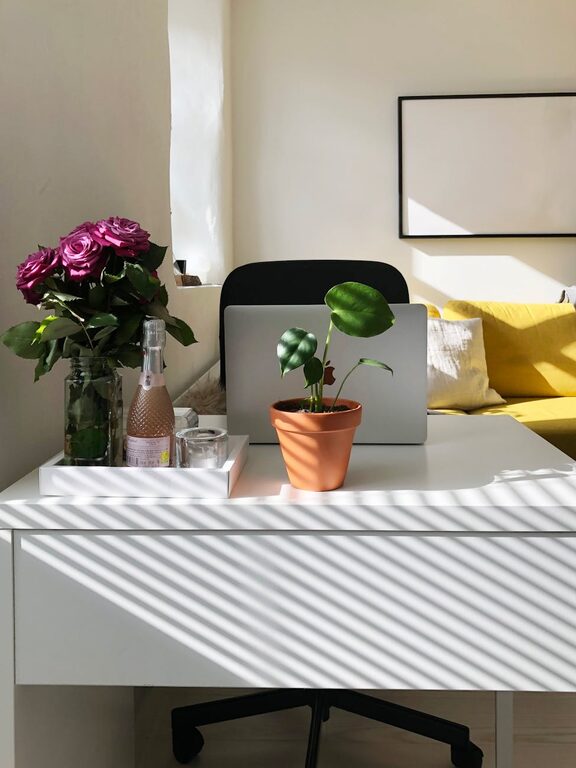
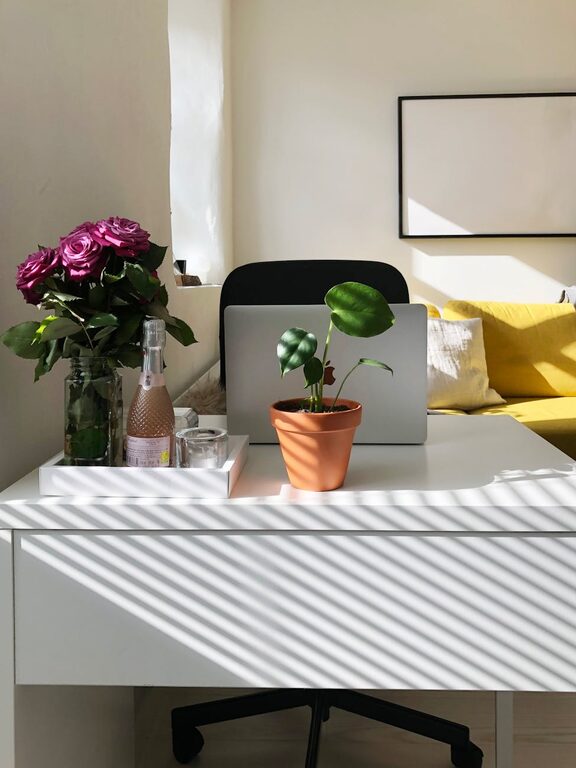
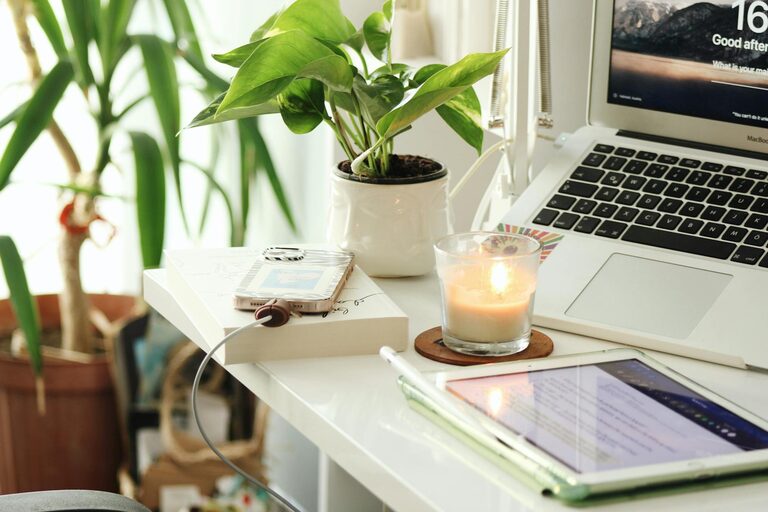
Include plants, artwork, or photos that make you feel happy and motivated. Plants also improve air quality and add life to your workspace.
An overhead light provides general illumination. Use a desk lamp with adjustable brightness for detailed tasks.
Adjust window coverings to control sunlight. Position your monitor to reduce reflections that can tire your eyes.
A footrest supports your legs and promotes good circulation, especially if your feet don’t touch the floor comfortably.
Keep the room temperature comfortable to prevent lethargy or distraction. Use fans or heaters as needed.
These help block background noise, especially useful in busy households.
Rugs, curtains, and cushions can absorb sound and make the room feel warmer.
Having consistent work hours helps separate professional time from relaxation.
Let others in your home know when you are working to minimize interruptions.
Standing and stretching during breaks relieves muscle tension.
Step outside or move to a different room briefly to refresh your mind.
—
By combining these tips, you can create a home workspace that not only supports your productivity but also makes working from home a more comfortable and enjoyable experience. Remember, your workspace should reflect your personal preferences and promote a balance between focus and relaxation. Start with small adjustments and watch how a calm, organized environment positively impacts your workday.