 11
11
Creating a home workspace that blends coziness with productivity can make a huge difference in your daily work routine. Whether you’re working remotely, freelancing, or managing household tasks, having a designated area that inspires focus and comfort can boost your motivation and efficiency. Below are helpful tips to design a home workspace that meets both your practical needs and personal comfort preferences.
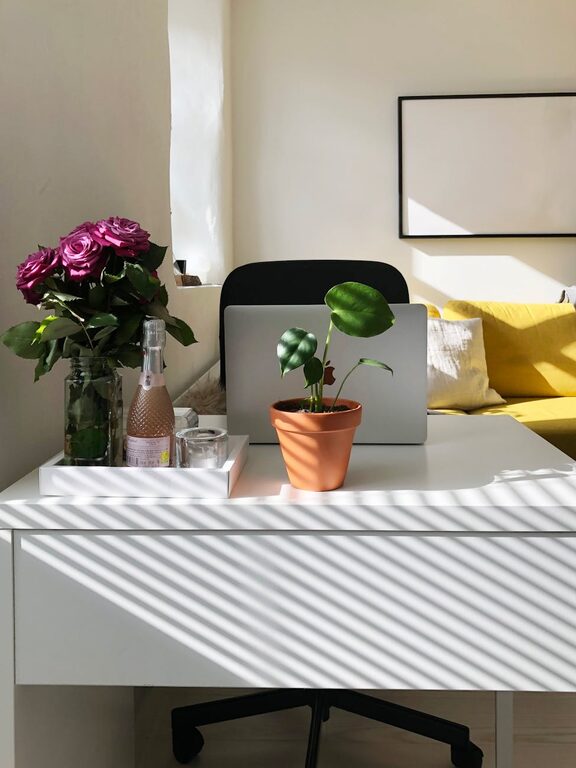
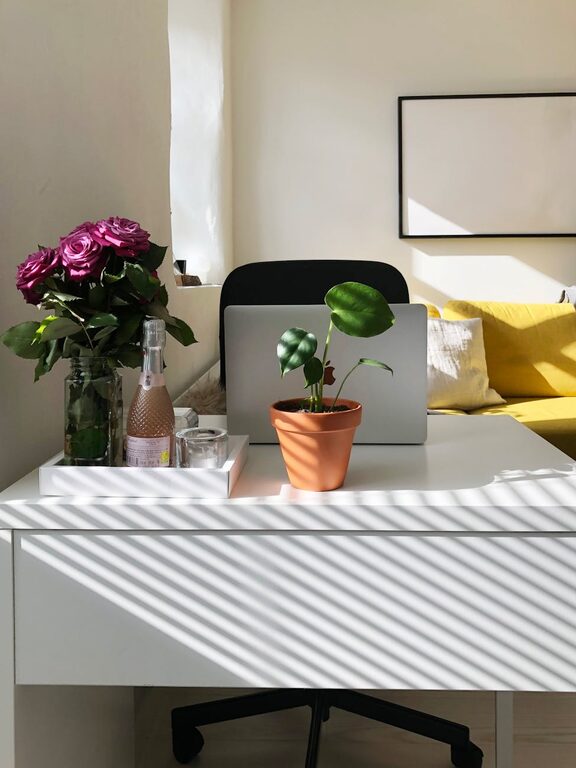
One of the most important factors in creating an inviting workspace is natural light. Placing your desk near a window brightens the room and can uplift your mood. If space or window access is limited, opt for warm, adjustable lighting that mimics daylight to reduce eye strain.
Select a spot in your home that is relatively quiet and free from heavy foot traffic. This helps minimize interruptions and keeps your mind focused. If needed, use noise-cancelling headphones or white noise machines to block out background noise.
Your chair and desk are the foundation of comfort and productivity. Choose an ergonomic chair with good lumbar support to maintain healthy posture, especially if you spend long hours sitting. A desk with enough surface area for your computer, notebooks, and supplies helps prevent clutter.
Consider adjustable desks that allow you to switch between sitting and standing. This variation can reduce fatigue and improve circulation throughout the day.
A messy workspace can increase stress and reduce efficiency. Keep your desk neat by organizing supplies, documents, and personal items. Use storage bins, trays, or drawers to keep everything in place and easy to find.
Create specific areas for different tasks, such as a spot for your computer, writing area, and storage for supplies. Clear separation helps your brain switch gears more easily.
Incorporate soft textures like cushions, a warm throw blanket, or an area rug. These small touches make your workspace feel welcoming and comfortable.
Surround yourself with items that motivate you, like photos, plants, or artwork. Plants in particular can improve air quality and add a calming touch of nature to your environment.
Invest in reliable tools such as a fast computer, a good keyboard and mouse, and a quality monitor. Proper equipment reduces frustration and makes working easier.
Organize cables with clips or sleeves to keep your desk tidy and avoid tangling. A clean setup helps maintain focus and reduces distractions.
Create a consistent daily schedule that includes regular breaks. This helps build discipline and signals your brain when it’s time to work or rest.
Include short breaks to stretch, walk, or do light exercises. Moving periodically increases energy and concentration levels.
Make sure your workspace is comfortably warm or cool, depending on your preference. Open windows or use air purifiers if air quality is a concern.
If external noises are an issue, try soundproofing methods such as curtains, rugs, or room dividers. Alternatively, use ambient sound apps or instrumental music to create a pleasant background.
—
Creating a cozy and productive home workspace doesn’t require a complete overhaul or expensive purchases. By thoughtfully choosing your location, optimizing comfort, organizing efficiently, and adding personal touches, you can build an environment where work feels enjoyable and effective. Try adapting some of these tips to match your unique preferences and needs—your ideal workspace awaits!